
Download the app by scanning the QR code or clicking the links below:

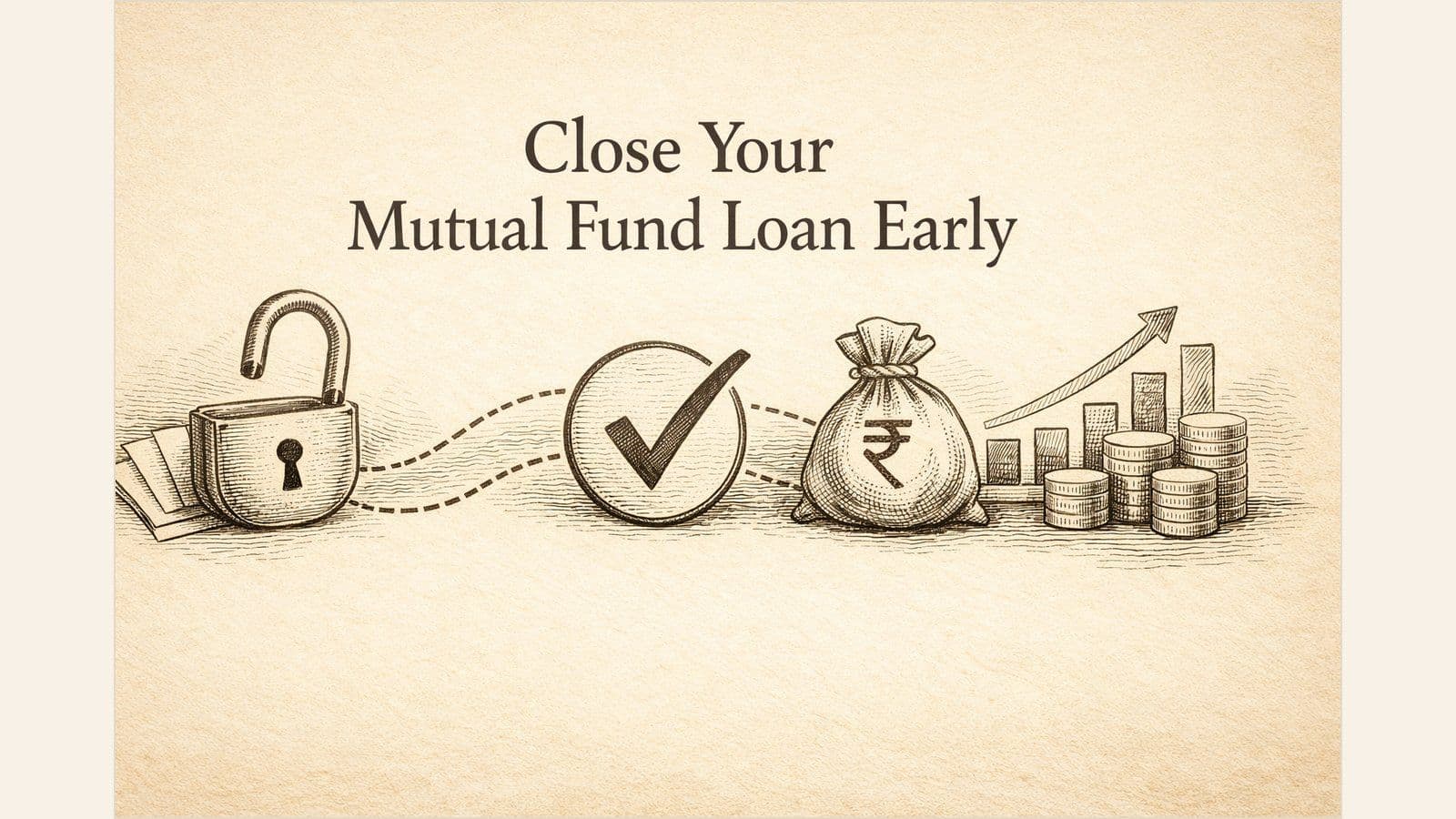
If you borrow against mutual funds, you should know how easy it is to close the loan before you take it.
Early closure matters because many cash needs do not last forever. You may need money for a medical bill, home repair, business payment, family expense, or timing gap, and then want to repay as soon as cash comes back in.
With Yenmo, no foreclosure charges and no prepayment penalties are part of the core offer. That gives borrowers more control. Still, you should always check closure terms before accepting any loan offer, because exit flexibility is part of the real cost.
Key Takeaways
- Early closure terms matter because they decide how flexible the loan feels after your cash need is solved.
- Yenmo highlights no foreclosure charges and no prepayment penalties in the core offer.
- A credit-line style structure can charge interest only on the amount withdrawn, not simply on the full approved limit.
- Borrowing can beat selling when you can repay comfortably and want the mutual funds to stay invested.
Yes, early closure can be possible, and Yenmo highlights no foreclosure charges and no prepayment penalties.
That matters because a loan against mutual funds is often useful when you want liquidity without selling investments. If the cash need is resolved, you should not want the product to punish you for closing early.
A loan that solves a cash need should not punish you for becoming debt-free sooner.
Before you proceed, check three things in plain language:
If the answer is unclear, pause before borrowing.
Prepayment and foreclosure charges matter because they affect the real cost of borrowing.
Suppose you need money for a gap that may last a few weeks or a few months. If the loan is expensive to close, the product becomes less flexible. You may end up paying for the exit even when you are ready to repay.
That is why “no hidden charges” is not just a nice phrase. It changes how confidently you can use the facility for a real cash need.
Exit cost is part of borrowing cost.
For investors, this is especially important. If you are choosing between selling mutual funds and borrowing against them, repayment flexibility can decide whether borrowing truly preserves your long-term plan or simply creates another burden.
Interest-only usage can make a loan against mutual funds feel more practical than a traditional lump-sum loan.
With Yenmo’s credit-line style structure, interest is charged only on the amount you actually withdraw. That means the approved limit is not automatically the same as the amount on which you pay interest.
This can be useful when your exact cash need is uncertain. You may be eligible for a larger amount but withdraw only what you need. If you repay sooner, you can reduce the period for which interest applies.
Unused limit should feel like optional liquidity, not automatic debt.
That is different from a borrowing product where you take the full amount upfront and then handle a rigid repayment schedule. The flexibility only helps, though, if you stay disciplined and borrow according to the actual need.
Selling mutual funds gives final cash. There is no loan to close.
But that does not mean selling is always cheaper or smarter. When you redeem, you reduce the invested base. You may also need to consider tax, exit load, and the cost of losing future market participation on the units sold.
Borrowing against mutual funds works differently. If the cash need is manageable and repayment is realistic, you may be able to access liquidity while eligible holdings remain invested. When the need ends, you can repay and work toward releasing the pledge.
If the need ends, the loan can end. The units you sold cannot simply reappear.
That is the core reason early closure matters. It makes the borrowing option easier to compare with redemption.
Ask direct questions before you borrow.
A foreclosure charge is a cost for closing the loan before the scheduled end. Yenmo highlights no foreclosure charges, but borrowers should still verify the terms shown in their own flow.
A prepayment penalty is a cost for repaying early or repaying more than required. Yenmo highlights no prepayment penalties in the core offer.
This is one of the most important questions. If interest is charged only on the amount withdrawn, you have more control over cost.
Understand the unpledge or release process before you need it. You should know what happens after repayment and what steps are required for the pledged units to become free again.
Mutual fund values can move. If portfolio value falls after you have used the facility, the eligible amount can reduce. Lenders generally give about 7 days to fix a shortfall by repaying part of the used amount or pledging more mutual funds.
Early closure is useful when the cash need has a clear endpoint.
That endpoint could be a salary credit, business receivable, insurance reimbursement, bonus, asset sale, or planned inflow. It can also be a situation where you simply want the option to close as soon as you are comfortable.
The important point is not that every cash need is short-term. Yenmo can be relevant for many cash needs where an investor wants to stay invested. The point is that exit flexibility helps when your repayment timing changes or improves.
A flexible loan gives you room to repay when your finances allow it.
Redeeming may be better when repayment is uncertain, when you need complete simplicity, or when the mutual fund no longer belongs in your portfolio.
Borrowing is not automatically better just because there is no prepayment penalty. A loan still requires repayment discipline and comfort with market-linked collateral.
If you would feel pressured by the loan, selling may be cleaner. If you still want the funds invested and can repay comfortably, borrowing deserves a serious comparison.
Yenmo’s loan against mutual fund calculator vs redemption calculator can help you compare the borrow-versus-sell trade-off more practically.
Yenmo is built for mutual fund investors who need liquidity but do not want selling to be the automatic answer.
Eligible investors can pledge mutual funds, borrow without selling, and pay interest only on the amount withdrawn. Yenmo also highlights no hidden charges, no foreclosure charges, and no prepayment penalties.
The trust ecosystem includes CAMS, KFin, NSDL, DigiLocker, lending partners such as Bajaj Finance, Tata Capital, and DSP Finance, and Y Combinator backing.
If you are worried about getting trapped in a loan, closure terms are exactly what you should check first.
Yes, early repayment or closure can be possible. With Yenmo, no foreclosure charges and no prepayment penalties are part of the core offer.
Yenmo highlights no foreclosure charges and no prepayment penalties. You should still review the terms shown to you before accepting any offer.
With Yenmo’s credit-line style structure, interest is charged only on the amount actually withdrawn, not simply on the full eligible limit.
Check the interest rate, interest calculation method, early closure rules, prepayment terms, shortfall process, and how pledged funds are released after repayment.
Redemption may be better if repayment would be stressful, if the cash need is uncertain, or if you no longer want the mutual fund in your portfolio.
Early closure is not a small detail. It is one of the things that decides whether a loan against mutual funds stays flexible after your cash need is solved.
Yenmo’s no foreclosure and no prepayment penalty promise can make borrowing easier to compare with selling, especially when you want to stay invested and repay when you are ready.
Before you redeem mutual funds or take a rigid loan, check your eligibility with Yenmo and review the closure terms clearly.