Download the app by scanning the QR code or clicking the links below:

If you need cash but do not want to redeem mutual funds, speed matters. But speed alone is not enough. You also want to know what actually happens before your investments are pledged and a borrowing facility is set up.
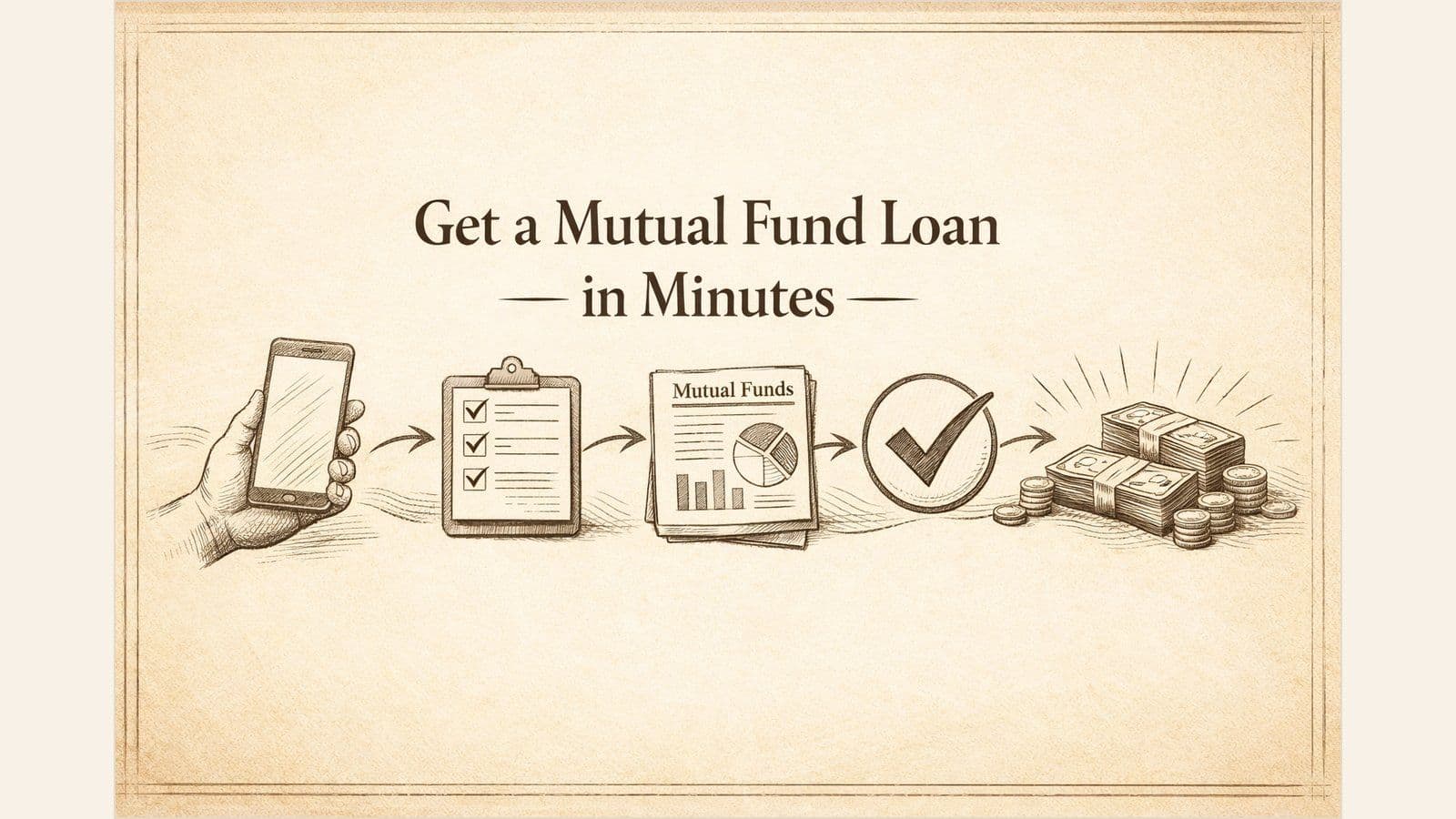
Yenmo’s setup is designed to be digital and fast. The app-led flow includes eligibility checking, KYC, pledge setup, auto-pay, and agreement signing. That can make borrowing against mutual funds easier to compare with selling, especially when you need liquidity without disturbing the portfolio you still want to hold.
Still, a fast setup should not mean a careless setup. Before accepting any offer, you should understand the limit, interest, charges, repayment flow, and what changes after your mutual funds are pledged.
Key Takeaways
- Yenmo’s loan-against-mutual-funds setup is app-led and designed for quick digital completion.
- The main steps include eligibility checking, KYC, pledge setup, auto-pay, and agreement signing.
- The point of the process is to help you borrow without selling eligible mutual funds.
- Fast setup is useful only when you still review the terms clearly before drawing money.
Yenmo’s setup is built to help eligible investors check borrowing options and pledge mutual funds digitally instead of redeeming them for cash.
That matters because selling can be the irreversible part of a liquidity decision. Once you redeem units, those units are no longer invested. If your real need is cash for a manageable expense, a pledge-backed facility may be worth checking first.
Speed is useful only when it gives you clarity, not when it makes you skip the decision.
A good digital flow should help you answer practical questions quickly: how much may be available, what you will pay, how repayment works, and what happens to the pledged funds.
The first useful step is eligibility.
If you are thinking about selling mutual funds for a cash need, eligibility helps you understand whether borrowing is even a realistic alternative. Yenmo lets investors check options across multiple lending partners through one platform, which can reduce the need to compare scattered processes manually.
The eligibility check turns “should I sell?” into a more useful comparison.
Instead of assuming redemption is the only route, you can ask a better question: can eligible holdings support enough liquidity for this need, and does the borrowing cost make sense compared with selling?
Do not treat eligibility as a spending target. Treat it as information. The approved or available amount should be compared with the actual cash need and your repayment comfort.
KYC is part of turning a casual enquiry into a real financial setup.
For a loan against mutual funds, identity and verification steps matter because the product is not just a personal loan form. It involves a borrowing facility supported by eligible investments. The process needs to know who is borrowing and how the pledge-backed setup will be handled.
Digital KYC is useful because it reduces paperwork friction. But it should still feel clear. You should know what information is being requested, why it is needed, and what happens after you submit it.
For a secured product, process clarity is part of trust.
Yenmo’s wider trust ecosystem includes names such as CAMS, KFin, NSDL, DigiLocker, lending partners including Bajaj Finance, Tata Capital, and DSP Finance, and Y Combinator backing. These signals matter most when they help the borrower feel that the flow is serious, traceable, and not a black box.
The pledge is the key difference between borrowing against mutual funds and redeeming them.
When you redeem, you sell units and receive money. When you pledge, eligible mutual funds support the borrowing facility while the investment can remain in place. That is why a loan against mutual funds can help you solve a cash need without automatically breaking your investment plan.
Pledging should be understood as a restriction on access, not the same thing as a sale.
Your pledged mutual funds can continue earning returns, and dividends or IDCW payouts can continue while funds are pledged. But the pledged units are not as freely movable while they support the loan. You should understand how the pledge is created, what it covers, and how it can be released later.
Before you draw money, review the borrowing structure in plain language.
With Yenmo’s credit-line style setup, interest is charged only on the amount actually withdrawn. That is different from treating the entire approved limit as automatic debt. It can be useful when your cash need is smaller than your available limit or when you want flexibility.
The important question is not only “how much can I get?” It is “how much do I actually need to use?”
Yenmo also highlights no hidden charges, no foreclosure charges, and no prepayment penalties in the core offer. Those are meaningful borrower protections, but you should still review the terms shown to you before accepting any offer.
Repayment setup is where the loan becomes a cash-flow decision.
Yenmo’s process includes auto-pay setup. That matters because borrowing against investments should not be treated as free liquidity. Even when the product is interest-only and flexible, you still need a repayment plan that fits your income and expected cash flow.
A borrowing facility helps only if it stays manageable after the money reaches your account.
Before proceeding, ask yourself how you plan to repay. Salary, business receipts, bonus, planned savings, insurance reimbursement, or another expected inflow can all change how comfortable the decision feels. If repayment is uncertain, selling may be cleaner.
Agreement signing should not be a blind tap.
Before you sign, check the core terms carefully:
A quick setup should end with a confident borrower, not a surprised one.
If something is unclear, pause and clarify it before moving ahead. The benefit of a digital process is not that you ignore details. It is that the right details become easier to review.
After mutual funds are pledged, they support the borrowing facility.
The funds can remain invested, which is the main reason investors consider this product instead of redemption. But market movement still matters. If portfolio value falls after you have already used part of the line, the eligible amount can reduce.
Yenmo’s guidance is that lenders generally offer about 7 days to fix a shortfall if one occurs after you have withdrawn money. That can usually be done by repaying part of the outstanding amount or pledging more mutual funds.
This is why Yenmo recommends leaving roughly a 10% buffer when withdrawing, so normal market movement is less likely to create a shortfall.
It can be better when you need liquidity but still want to keep eligible investments in place.
Selling gives cash, but it also exits the units sold. You may lose future market participation, trigger tax or exit-load considerations, and disrupt a portfolio you built over time. Borrowing against mutual funds can help you separate the cash need from the investment decision.
You are not borrowing because debt is exciting. You are borrowing because selling may be the more expensive move.
That is the investor logic behind a fast digital setup. It helps you check whether staying invested is possible before you make a permanent redemption decision.
Do not use speed as a reason to borrow when the numbers do not work.
If repayment would be stressful, if you need the full available limit with no buffer, if the expense is open-ended, or if you no longer want to hold the mutual funds, redemption may be the cleaner choice.
A loan against mutual funds should make the liquidity decision more controlled. It should not become a way to avoid a difficult budget decision.
Yenmo’s setup is designed as an app-led digital flow with KYC, pledge setup, auto-pay, and agreement signing in-app.
The eligibility check helps you understand whether your holdings can support a borrowing option and what may be available before you decide to sell mutual funds.
KYC helps verify identity and supports the financial setup. A pledge-backed loan is a real borrowing product, so verification is part of the process.
Yenmo’s setup includes agreement signing in-app. You should review the terms carefully before signing.
Yes. Fast setup should not replace financial judgment. Check interest, charges, repayment, pledge restrictions, and shortfall rules before drawing money.
Yenmo’s 5-minute digital setup is useful because it helps eligible mutual fund investors check a pledge-backed borrowing option before rushing into redemption.
The flow is built around eligibility, KYC, pledge setup, auto-pay, and agreement signing. Each step should make the decision clearer: can you borrow without selling, what will it cost, and are you comfortable with the repayment and pledge terms?
Before you redeem mutual funds for a cash need, check your eligibility with Yenmo and see whether the digital setup gives you a better way to stay invested.