
Download the app by scanning the QR code or clicking the links below:

A loan against mutual funds can be safe when you understand how pledging works, what happens if fund values move, and what charges or repayment terms apply. The key is to treat it as a serious secured loan, not as free cash from your portfolio.
For many investors, the safety question is really three questions: Will I lose my mutual funds? Will they stop earning returns? And what happens if the market falls after I borrow?
Safe does not mean risk-free. It means the process is transparent, the pledge is clear, the lender rules are understood, and you know what can happen in normal and stressed situations.
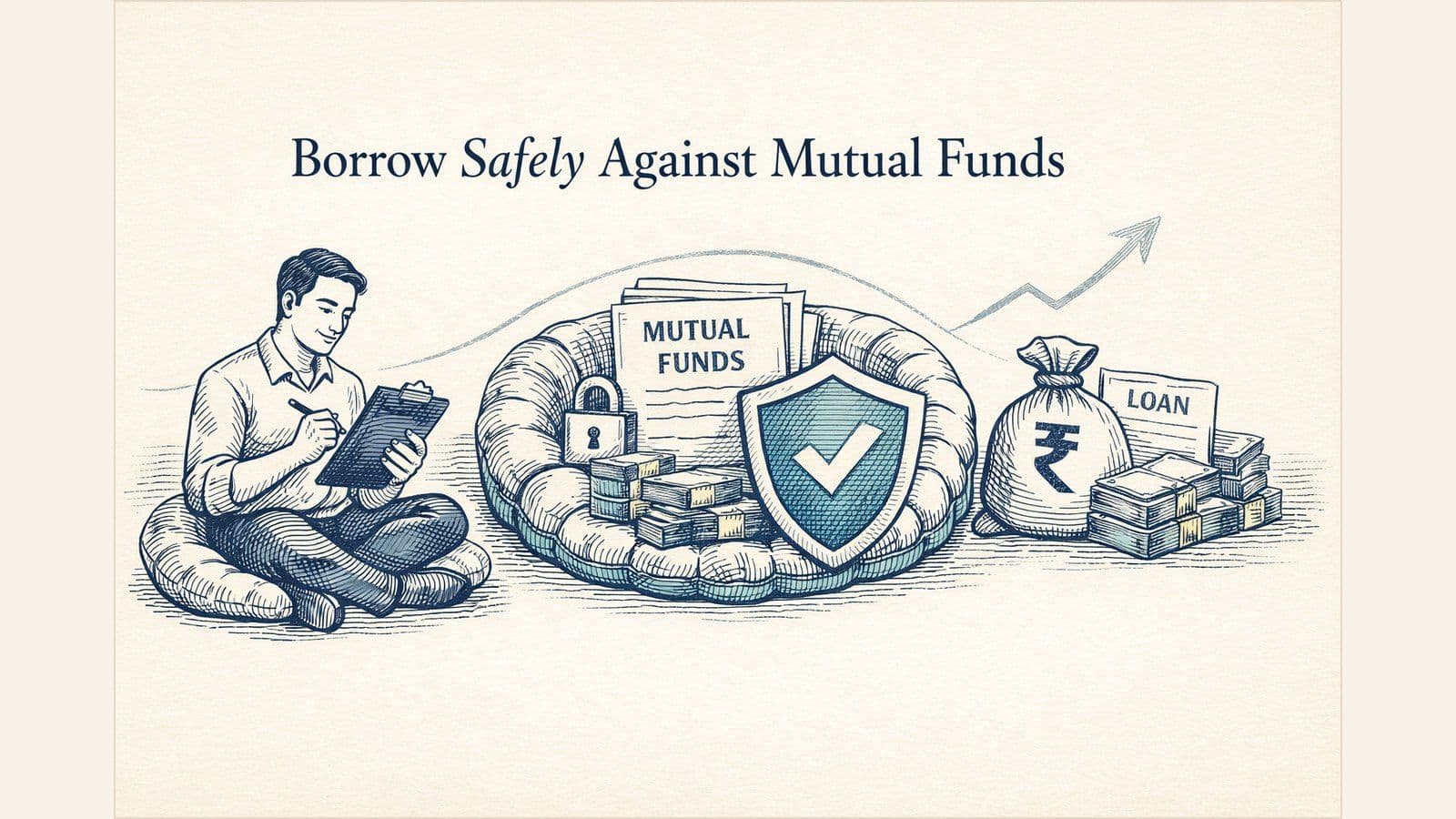
A loan against mutual funds is backed by market-linked investments. That makes it different from an unsecured personal loan and different from selling your funds. You keep the investment, but it becomes security for the amount you use.
The safe way to use it is to borrow with awareness: know your limit, understand shortfall rules, check charges, and avoid withdrawing more than you need.
No. Pledging mutual funds does not mean you have sold them or given up ownership. The units are marked as security for the loan while the pledge is active.
That is why pledged funds can continue earning returns. The investment remains in place, even though some actions may be restricted while the pledge supports an outstanding loan.
This is the central safety difference from redemption. When you redeem, you sell units and exit the investment for those units. When you pledge, you borrow against the units while keeping them invested.
The safety benefit is not that nothing changes. The benefit is that you can access liquidity without immediately giving up the investment.
Yes. Pledged mutual funds can keep earning returns because they are not redeemed. Dividends or IDCW payouts can also continue while the funds are pledged.
This matters for investors who are worried that pledging freezes the investment. It does not turn the fund into cash, and it does not remove the fund from market participation. The value can still rise or fall based on the underlying fund.
That last point is important. The investment can keep working, but market risk does not disappear.
If your pledged mutual fund value falls, your eligible borrowing limit can reduce. If you have already withdrawn more than the revised eligible amount, the lender will generally ask you to fix the shortfall.
Yenmo’s guidance is that lenders generally give about 7 days to handle this. You can usually repay part of the used amount or pledge more mutual funds.
Here is a simple example:
| Item | Amount |
|---|---|
| Original portfolio value | ₹1,00,000 |
| Original eligible amount | ₹50,000 |
| Amount withdrawn | ₹50,000 |
| Portfolio value after fall | ₹90,000 |
| Revised eligible amount | ₹45,000 |
| Gap to fix | ₹5,000 |
If you had not withdrawn anything, the available limit would simply reduce to ₹45,000. The shortfall matters because the used amount is higher than the revised limit.
The simplest way is to avoid using your full limit unless you genuinely need it. Yenmo’s guidance is to leave roughly a 10% buffer when withdrawing, so normal market movement is less likely to create pressure.
A credit-line style facility helps here. If you are eligible for a certain amount, you do not have to withdraw the full amount immediately. With Yenmo, interest is charged only on what you actually withdraw.
That makes disciplined borrowing easier. You can access the cash you need, leave unused limit as breathing room, and reduce the chance that a normal market move forces a rushed repayment or extra pledge.
When you pledge investments, the platform and process matter. You should look for clear KYC, recognized infrastructure, lender transparency, and simple explanations of repayment and charges.
Yenmo’s trust layer includes CAMS, KFin, NSDL, and DigiLocker, along with lending partners including Bajaj Finance, Tata Capital, and DSP Finance. Yenmo is also backed by Y Combinator.
Those names do not remove the need to read terms. But they help show that the product is connected to known financial and verification infrastructure rather than an unclear borrowing flow.
Charges are part of safety because surprises can turn a useful loan into a stressful one. Before borrowing, check the interest rate, whether interest applies to the full limit or only the amount used, and whether early repayment carries a penalty.
Yenmo keeps the cost structure clear: no hidden charges, no prepayment penalty, and no foreclosure charges in the core offer. The loan is interest-only, and interest is charged only on the amount withdrawn.
This is especially important if you are comparing a loan against mutual funds with a personal loan. The headline rate is not the full story if another product has fees or rigid repayment terms.
Pause if you are planning to use the full available limit, if your portfolio is highly volatile, if you do not understand the shortfall process, or if the cash need may keep growing beyond your ability to repay.
Also pause if you no longer want the investment. If a mutual fund no longer fits your plan, selling it may be a cleaner decision than borrowing against it.
A loan against mutual funds is best when you still believe in the investment and need liquidity without interrupting it. It should support your plan, not hide a repayment problem.
Yenmo helps you check eligibility digitally, understand your available line, and borrow against eligible mutual funds without redeeming them. The structure is designed for investors who want liquidity while their funds can stay invested.
Because Yenmo’s core offer is interest-only and credit-line style, you can use only what you need instead of turning the full eligible amount into debt. That flexibility is central to safer borrowing.
The better decision is not “borrow at any cost.” It is “compare borrowing, redemption, and other loan options with the facts in front of you.” Yenmo gives you a way to make that comparison before you sell long-term investments.
It has risks, mainly market movement and shortfall handling. But pledging is not the same as selling, and it can be a practical way to borrow if you understand the rules and keep a buffer.
A market fall can reduce your eligible limit. If that creates a shortfall, lenders generally give about 7 days to fix it by repaying part of the used amount or pledging more funds.
Yes. Pledged mutual funds can continue earning returns, and dividends or IDCW payouts can continue.
Yenmo is focused on loans against mutual funds. It helps investors borrow against eligible mutual fund holdings instead of redeeming them.
Use only what you need, leave roughly a 10% buffer, understand shortfall rules, check charges, and choose borrowing only when you still want the investment to stay in place.
A loan against mutual funds can be safe when it is used with clear rules and disciplined borrowing. Your funds are pledged, not sold. They can continue earning returns. But the value can move, and you need to respect the shortfall and repayment mechanics.
If you need cash but want to preserve your mutual fund investments, safety starts with checking eligibility and understanding the terms before you redeem. Download Yenmo to see whether borrowing against your funds makes sense for your situation.