
Download the app by scanning the QR code or clicking the links below:

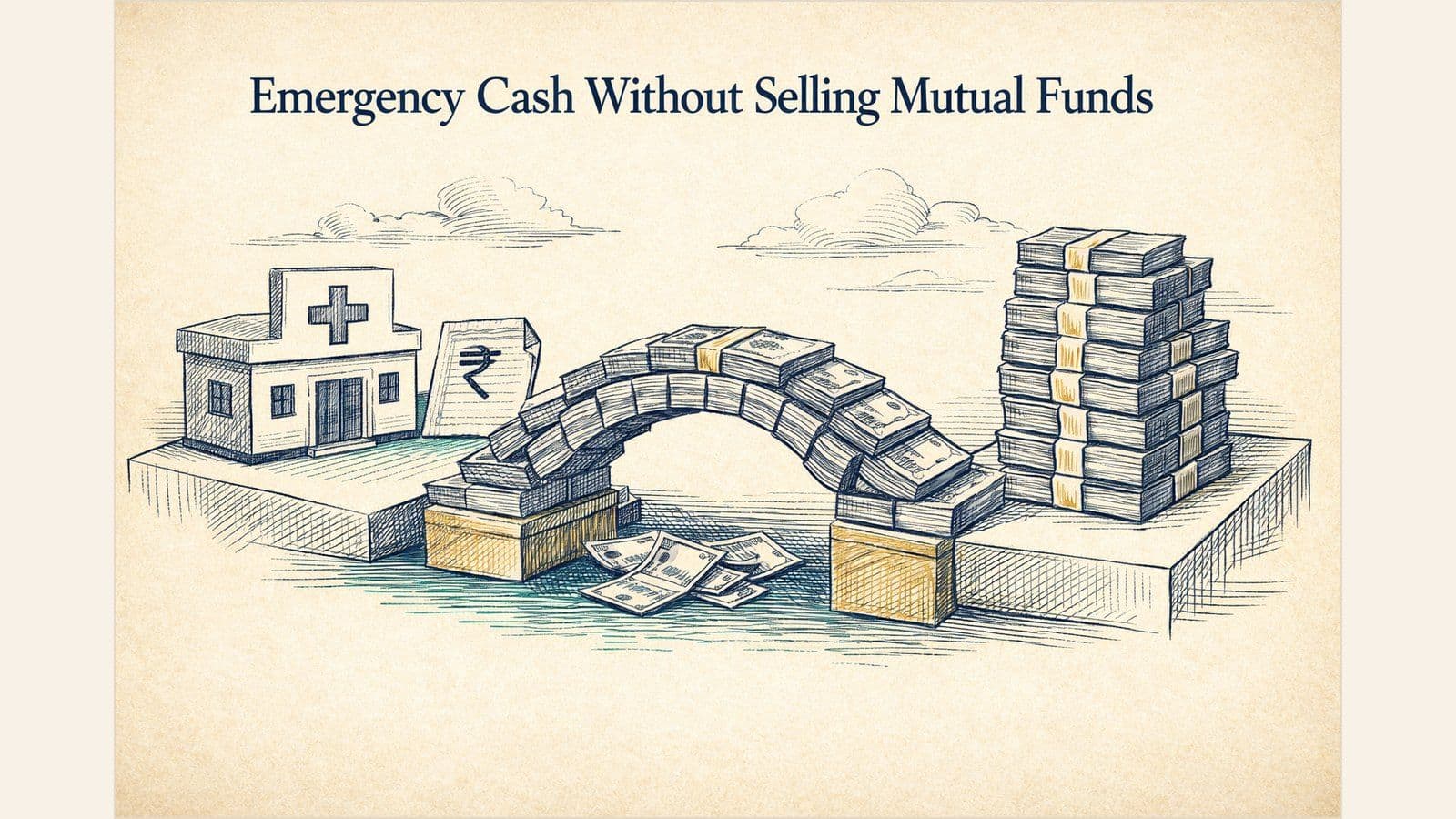
A medical emergency is one of the few moments when financial decisions feel both urgent and emotional. You need cash quickly, and you do not want the funding choice to make an already difficult situation worse.
If you have mutual funds, the obvious move may be to redeem them. Sometimes that is the right answer. But it is not the only answer.
If the expense is urgent but repayment is manageable, borrowing against mutual funds can help you access cash while keeping eligible investments in place. The decision should be calm, practical, and based on your real cash-flow situation.
Key Takeaways
- Redeeming mutual funds can make sense when you need certainty and do not want any repayment obligation.
- Borrowing against mutual funds may be better when the cash need is temporary and you still want your portfolio invested.
- Compare speed, repayment comfort, visible loan cost, tax or exit-load effects if applicable, and lost compounding.
- Do not borrow just to avoid selling if repayment would create stress.
For a medical emergency, the best funding option is the one that solves the immediate need without creating unnecessary long-term financial damage.
If repayment would be stressful or uncertain, redeeming mutual funds may be safer. It gives cash without adding a loan obligation.
If you can manage repayment and still believe in the mutual funds you hold, borrowing against them may be smarter than selling. You can handle the medical cash need while keeping eligible holdings invested.
The goal is not to protect investments at the cost of care. The goal is to avoid a panic sale when a calmer borrowing option could work.
Redeeming can be the right move when certainty matters more than preserving market exposure.
It may make sense if the expense is large, repayment would create pressure, or you do not want any loan linked to your investments during a stressful period. It can also make sense if the mutual fund is no longer part of your long-term plan.
There is no shame in selling when that is the financially safer route. A medical emergency is not the time for cleverness at any cost.
But before you redeem by default, check what you are giving up. Selling removes those units from the market. Depending on the fund and holding period, redemption may also involve taxes or exit load. Even when there is no obvious fee, you may lose future compounding on the units sold.
Borrowing can be smarter when four things are true:
In that situation, a loan against mutual funds can give you liquidity without forcing you to sell. You pledge eligible units as security, and the holdings can continue earning returns because they are not redeemed.
With Yenmo, the structure is designed for investors who want to borrow without selling. The facility can work like a credit line, so interest is charged only on the amount you actually withdraw. Yenmo also highlights no hidden charges, no prepayment penalties, and no foreclosure charges in the core offer.
That flexibility matters during an emergency because you may not know the final expense on day one. Using only what you need can be better than disturbing a larger part of the portfolio.
Do not compare loan interest with zero. That makes redemption look cleaner than it may be.
Compare the full cost of each route:
A loan against mutual funds is not automatically cheaper. It becomes attractive when the cost of borrowing is lower than the long-term cost of selling investments you still want to hold.
If you want a more concrete side-by-side view, Yenmo’s loan against mutual fund calculator vs redemption calculator can help you frame the trade-off.
Before you rely on a loan against mutual funds for a medical expense, check these points.
Eligibility depends on the funds, account setup, and lender rules. Do not assume your full portfolio value is borrowable.
If the facility works like a credit line, you may not need to withdraw the full eligible amount. Borrowing only what you need can reduce interest cost.
This is the most important emotional and financial check. If repayment feels uncertain, selling may be safer.
Mutual fund values can rise or fall while pledged. If the portfolio value falls after you have used part of the line, your eligible amount can reduce. Lenders generally give about 7 days to fix a shortfall by repaying part of the used amount or pledging more funds.
You should understand the interest rate, charging logic, early closure rules, and any consequences of delay before you borrow.
Fast cash is only useful if the terms stay understandable when life is already stressful.
Many investors build mutual funds slowly through SIPs and long-term discipline. A medical emergency can force a decision that undoes years of progress in one week.
Sometimes selling is necessary. But sometimes the better move is to use the portfolio as support rather than liquidating it.
That is the role of a loan against mutual funds. It can create liquidity while preserving the investment base, provided the loan is manageable and the terms are clear.
This is especially relevant when you expect reimbursement, bonus income, business receivables, or another cash inflow later. In that case, borrowing may bridge the timing gap better than selling and rebuilding later.
Yenmo helps mutual fund investors check whether they can borrow against eligible holdings without redeeming them. The process is digital and built around quick eligibility discovery, pledge setup, agreement signing, and repayment setup in-app.
The trust layer matters. Yenmo’s ecosystem includes CAMS, KFin, NSDL, DigiLocker, lending partners such as Bajaj Finance, Tata Capital, and DSP Finance, and Y Combinator backing.
For a medical expense, the value is not borrowing for its own sake. The value is having one more responsible option before you sell investments you still want to keep.
You should sell if you need certainty, cannot comfortably repay a loan, or no longer want the investment. If repayment is manageable and the funds still matter to your long-term plan, borrowing against them may be worth checking first.
Digital platforms like Yenmo are designed to help investors check eligibility and complete key steps in-app. Actual eligibility and timing depend on your holdings, account setup, and lender process.
It carries loan cost, repayment responsibility, and market-linked collateral risk. It can still be useful if the need is manageable and you understand the terms before withdrawing.
Check eligibility, interest charging, repayment comfort, shortfall handling, fees, and whether you need the full amount or only part of the approved limit.
A medical emergency changes priorities, but it does not remove the need for a good financial decision.
Redeeming mutual funds can be right when certainty matters most. Borrowing against mutual funds can be right when you need cash but still want to keep your portfolio invested and can repay comfortably.
Before you sell in a hurry, check your eligibility with Yenmo. You may have a way to fund the emergency without turning it into a long-term investment setback.