
Download the app by scanning the QR code or clicking the links below:


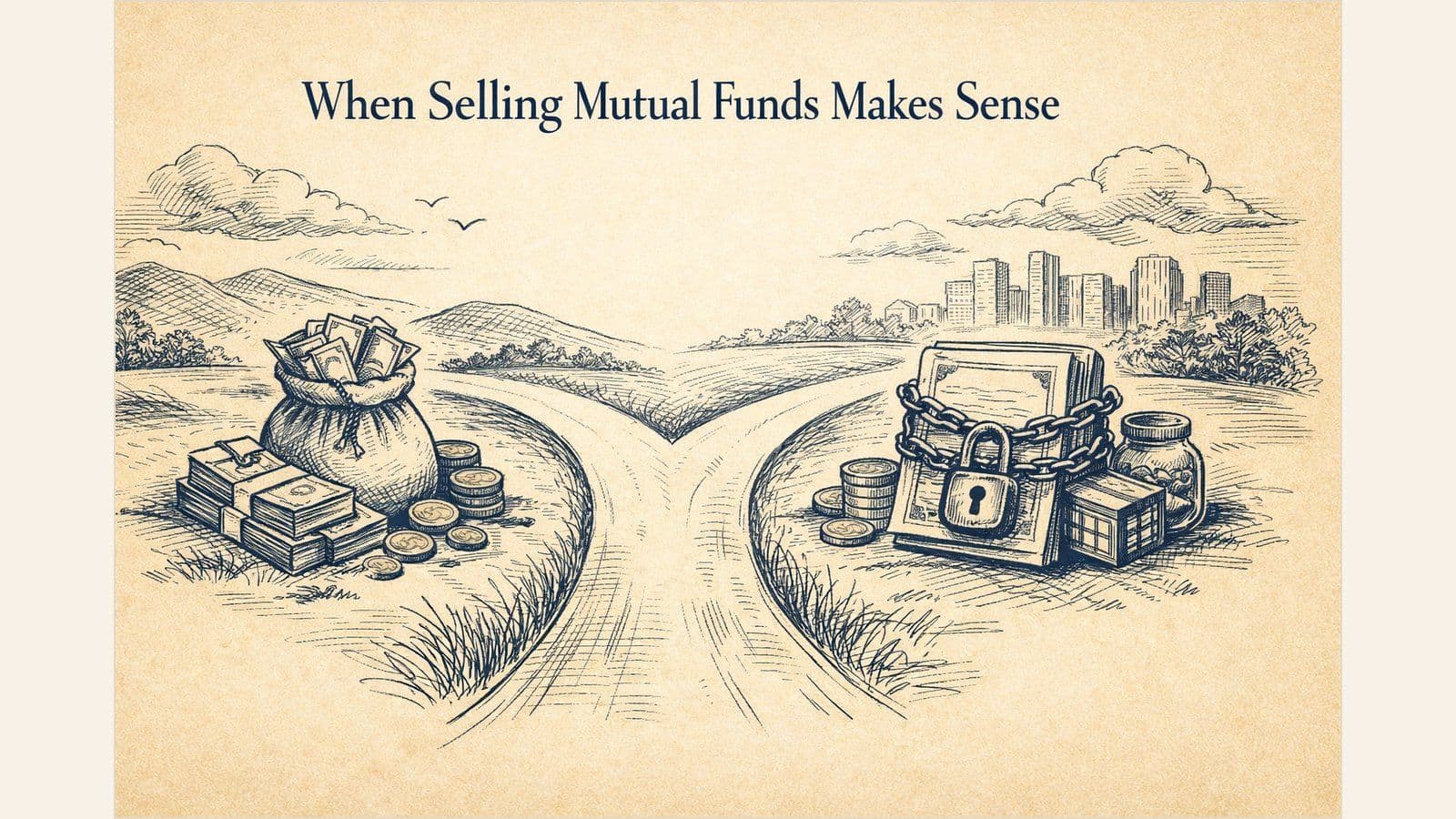
A loan against mutual funds can be a smart way to raise cash without selling investments. But smart financial advice should never pretend there is only one right answer.
Sometimes borrowing is better because it helps you stay invested, avoid interrupting compounding, and pay interest only on what you withdraw. Sometimes redemption may still make sense, especially if the investment no longer fits your goals, the cash need is permanent, or the borrowing cost does not justify staying invested.
The real decision is not “loan good, redemption bad.” It is: which option protects your long-term money plan better for this specific need?
Key Takeaways
- Borrowing against mutual funds often makes sense when you need liquidity but still want to stay invested.
- Redemption may make sense when your goal has changed, the cash need is permanent, or the borrowing cost does not work for your situation.
- The best decision compares loan cost with the full cost of selling, including lost compounding, tax, exit load, and re-entry friction.
If the mutual fund investment is still meant for a long-term goal, selling it for a short-term cash need can be expensive.
In that situation, borrowing against eligible mutual funds may be the better route because your investments can remain pledged instead of redeemed. You handle the cash need while the portfolio can continue participating in market returns.
But if the investment itself no longer belongs in your plan, redemption may be reasonable. For example, if you were already going to rebalance, exit a fund, fund a goal, or reduce risk, selling may be part of the plan rather than a forced mistake.
The decision should start with intent, not habit.
Borrowing tends to make more sense when the cash need is real but the investment goal is still alive.
That could mean a medical bill, business cash-flow gap, home repair, travel need, or another liquidity requirement where you expect the need to pass but you still want the portfolio to keep working.
A loan against mutual funds can help because you pledge eligible holdings instead of redeeming them. Yenmo also frames the product around interest-only repayment and a credit-line style structure where interest is charged on the amount actually withdrawn.
If your real problem is liquidity, not a change in your investment plan, selling the investment may solve the cash problem by creating a new wealth problem.
Yenmo’s loan against mutual fund calculator vs redemption calculator can help you compare the two routes more practically.
Redemption can make sense when selling is already financially justified.
For example, you may redeem if the fund no longer suits your risk profile, the goal date has arrived, you need to permanently convert investments into cash, or the cost of borrowing is not worth the benefit of staying invested.
You may also redeem if taking any loan would add stress you do not want, even if the loan is secured and flexible. The right product still has to fit your comfort and cash flow.
That is the honest version of the decision. Borrowing against mutual funds is powerful when it protects a portfolio you still want. It is less useful if you were ready to exit the investment anyway.
Do not compare visible loan interest against “free” redemption. Redemption can have its own costs.
Before selling, consider:
None of these automatically means borrowing wins. But they stop you from treating redemption as costless simply because there is no loan statement attached to it.
If you are also comparing unsecured credit, Yenmo’s loan against mutual fund vs personal loan guide can help you think through the borrowing alternative.
Borrowing has responsibilities too.
Your pledged mutual funds can continue to move with the market, which means portfolio value can rise or fall. If the value falls after you have used part of the credit line, lenders generally require you to restore the shortfall by repaying part of the used amount or pledging more eligible mutual funds. Yenmo’s guidance suggests keeping a buffer instead of withdrawing the full available limit.
You should also be clear about repayment comfort. Interest-only repayment can reduce EMI pressure, but it is still a cost. Borrow only when the cost and purpose make sense.
A good loan against mutual funds decision is calm, not rushed. It should leave you with liquidity and control, not confusion.
Use this quick test before choosing redemption or borrowing.
Ask yourself:
If you still want the investments and the cash need is temporary, check the borrowing option first. If the investment no longer fits your plan or the cash need is permanent, redemption may be cleaner.
No. It is often better when you need liquidity but still want to stay invested. It may not be better if the investment no longer fits your plan or the borrowing cost does not make sense.
It depends on urgency, cost, eligibility, and repayment comfort. If you can borrow against eligible holdings quickly and sensibly, that may help preserve the portfolio. If not, redemption may be necessary.
A short-term cash need is exactly the kind of situation where borrowing against mutual funds can be worth checking, because selling and later reinvesting can create avoidable friction.
Then redemption may be better for your peace of mind. The right answer should fit both the numbers and your comfort with repayment.
Redeeming mutual funds is not wrong. Borrowing against them is not automatically right.
The smarter decision is the one that matches your cash need, investment goal, and cost trade-off. If selling would damage a portfolio you still want to keep, a loan against mutual funds can be a better option. If selling is already part of the plan, redemption may be the cleaner choice.
Before you sell by default, check your eligibility with Yenmo and compare both routes with a clear head.